
What happens when roulette leaves the felt and steps into a headset? For players in Australia, the question is less about novelty and more about whether a virtual table can hold its own against a busy lunch break or a quiet arvo on the couch. The pitch is straightforward: same wheel, different room, with the interface doing the heavy lifting instead of theatrics.
How the table actually behaves when you are wearing a headset
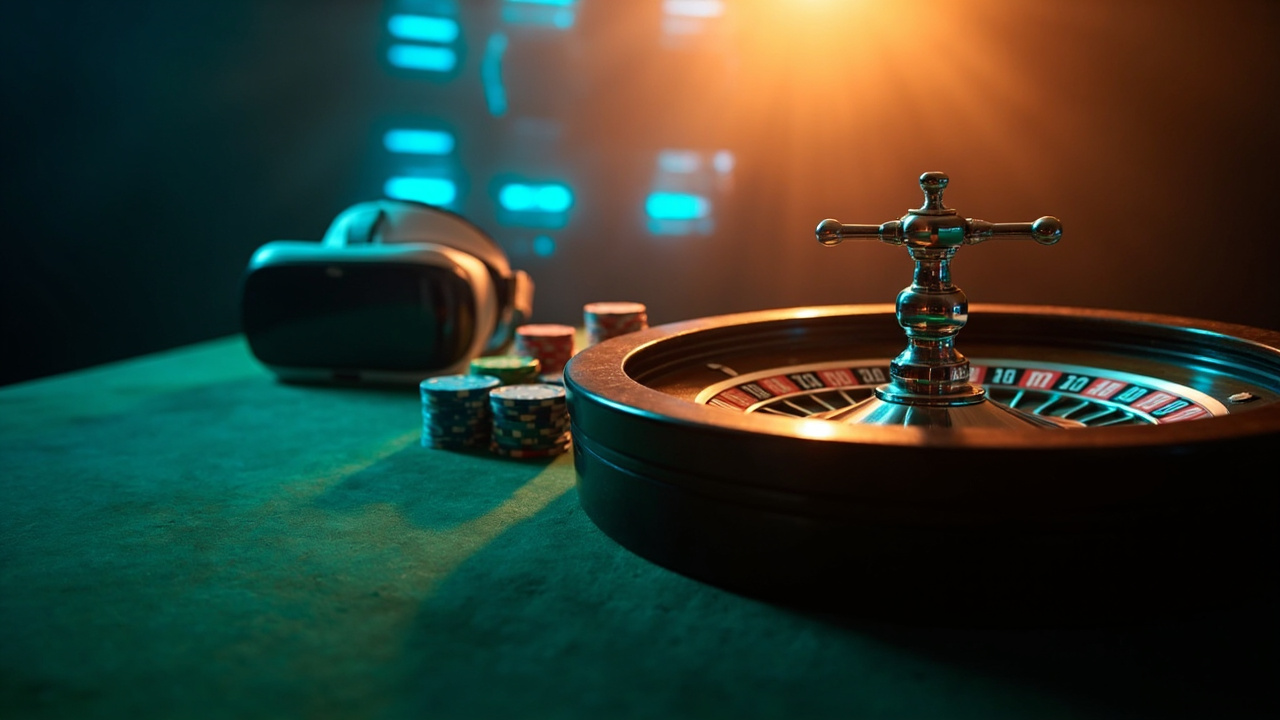
I asked William Ryan, Managing Partner, Murray River Gaming Research, how a virtual table should behave when the headset goes on, and he was blunt about discipline. “A roulette interface has to earn attention in the first ten seconds or it becomes furniture,” he said, which is a fair warning when the whole point is immersion. The room should feel considered rather than crowded, with the wheel, the betting grid and the dealer position arranged so your eyes do not have to hunt for the next move. Controls need to sit where a thumb naturally rests, not across the room, and the visual identity should stay restrained enough that the numbers stay readable under pressure.
Localisation matters here in a way that is easy to underestimate. A player in regional Queensland is not looking for a generic European skin; they want the language, the currency and the pacing to match the room they are in. That means Australian English copy that does not sound translated, dollars and cents shown without mental arithmetic, and bet limits that make sense for a local session rather than a template built elsewhere. Navigation should be shallow enough that you can find a table, check the limits and place a chip without clicking through three menus, because friction is the first thing that turns curiosity into a closed tab.
The practical test is everyday usability, not a demo run. Can you read the board in a dim room? Does the sound help you track the spin or just fill the space? Is the search for a table or a game provider fast enough that you are not waiting on a loading screen while the wheel is already turning? These are the details that decide whether vr casino roulette feels like a usable product or a clever demo that only works when nobody is watching.
What a first session looks like, step by step
A sensible first go is less about chasing a big win and more about learning the room before you commit any serious attention. The sequence below is what a careful player tends to run through before treating the table as anything more than a new way to pass an hour.
- Start with the headset fitted properly and the play area clear, because a wobbly boundary is the fastest way to turn a simple spin into a frantic step backwards.
- Open the lobby and check the visual identity before you sit down, looking for a layout that keeps the wheel and the betting grid readable rather than buried under decoration.
- Pick a table by limits and provider, not by the loudest animation, so the game fits the session you actually want instead of the one the lobby is pushing.
- Place a small test bet on an outside option first, just to see how the chips, the confirmations and the timing feel under your hand.
- Watch the first few spins without increasing the stake, using that time to judge the pacing, the sound and whether the interface stays calm when the ball is moving.
- If the table feels right, settle into a bet size that matches the moment, and treat the headset as a way to focus rather than a reason to play faster.
The point of that run-through is not to turn the session into a checklist but to separate the useful bits from the decorative ones. A well-built table should not require a tutorial every time you log in, and it should not punish you for taking a minute to understand the layout. When the registration flow, the loyalty prompts and the support options sit where they should, the experience feels less like a product demo and more like a place you can return to without relearning the room each time.
Who this actually suits, and who should leave it alone
This is not a format for everyone, and pretending otherwise would be sloppy. It suits a player who already likes roulette, has a headset handy, and wants the same game with a different kind of focus. It is less convincing for someone who plays in short bursts between other things, because putting on the gear and settling in has its own cost, and that cost is real even when the table itself is easy to use. If you are the sort of person who wants a quick spin on a phone while the kettle boils, a virtual room is probably overkill.
The player-fit question also comes down to patience with technology. A headset can be brilliant when it works and irritating the moment it does not, so this is a better fit for someone who is comfortable adjusting settings, checking connection quality and stepping away when the room stops feeling comfortable. It is not a substitute for a proper land-based night out, and it is not a magic shortcut to better decisions. What it can do is offer a different kind of session, one where the table is closer and the distractions are easier to manage if you are the kind of player who values that sort of control.
What to look for before you commit time to it
Before you spend an arvo inside a virtual wheel, look at the basics that decide whether the room is built for play or just for show. Check that the currency is shown in dollars and cents without hidden conversion, that the registration steps are clear and that support is reachable without digging through a maze of pages. Pay attention to the bonus mechanics too, because a vr casino roulette table should not be surrounded by terms that only make sense once you have already committed to a session. A sensible product keeps the loyalty rewards, the payments and the game selection in the same conversation, rather than treating them as separate afterthoughts.
Once you have verified those essentials, you can feel more confident about where you place your bets. For a practical example of these standards in action, readers can visit jackpot jill casino at https://jackpotjill-casinoau.net/en-au/. Making an informed choice now saves you from headaches later on.
If you want a starting point that already treats localisation and usability as part of the package rather than a promise for later, you can look at jack n jill casino and judge whether its tables fit the way you actually like to play. The right test is simple: does the room make the next move obvious, or does it ask you to work for every small decision?
For a data and AI partnership mindset, the interesting question is never whether the headset is impressive on day one. It is whether the interface, the localisation and the everyday usability hold up when the novelty has worn off and the session is just another part of a regular week. That is the comparison worth making, because a product that only shines in a demo is not much use to a player who wants a table that behaves the same way on a quiet Tuesday as it did on the first Friday it was tried.

Comment (0)